



Public and Patient Involvement (PPI) at Cancer Trials Ireland means patients and family members are actively shaping how cancer trials are designed, delivered and improved.
Our Patient Consultants Committee (PCC) brings lived experience directly into research decisions. Here are four ways that work comes to life.
Our patient representatives regularly speak at conferences, seminars and public events.
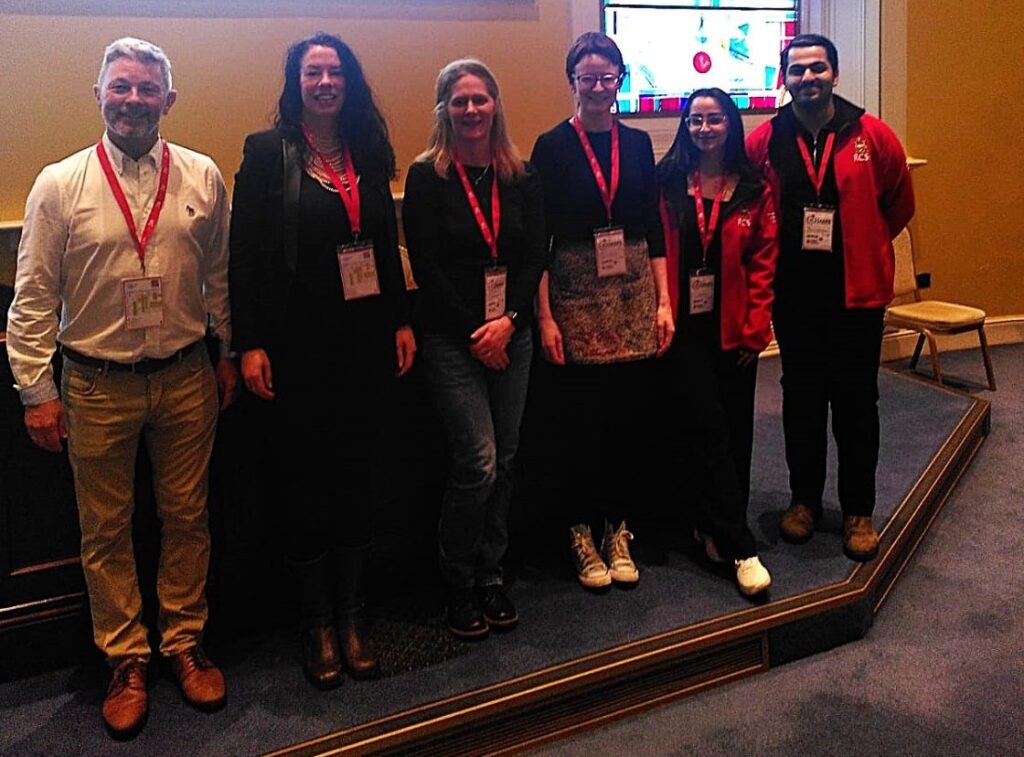
Members of the PCC have presented at ICHAMS, the International Conference for Healthcare and Medical Students at RCSI.
This international student-led conference brings together future doctors and researchers from across the globe.
By sharing their personal experiences of diagnosis, treatment and clinical trials, our patient representatives help future healthcare professionals understand what participation in a cancer trial really means — not just scientifically, but personally.
They have also spoken at national forums and regulatory events, ensuring that patient perspectives are heard wherever decisions about cancer trials are being discussed
Some of the most important work happens before a trial ever opens.
Members of the Patient Consultants Committee review trial proposals, comment on study design, and provide feedback on patient-facing materials through their involvement in Disease Specific Study Groups
One major example was the redesign of the clinical Patient Information Leaflet template.
Patient representatives reviewed documents, suggested changes, helped rewrite sections and supported final approval. The result was clearer language, greater empathy, and information that is easier for patients and families to understand.
This work improves the quality, accessibility and humanity of cancer trials in Ireland.
Patient-led research is a core pillar of our work – and one we are committed to growing.
PRO-ACT is a powerful example. This study focuses on sexual wellbeing and mental health after prostate cancer – topics that patients themselves identified as urgent and under-discussed.
The project was led by patients and partners, including a dedicated partner advocate. It used a co-design model, with survey tools and study materials developed alongside patients.
The findings have been published and have helped raise awareness of sensitive but important issues, leading to new recommendations and ongoing work.
This is what patient-led research looks like:
In 2024, members of our Patient Consultants Committee took part in a Northern Ireland Forum, where a new partnership was formed.
This is part of a growing all-island approach to patient involvement. By connecting with colleagues in Northern Ireland, our patient representatives are sharing experience, strengthening collaboration, and helping to align patient voices across the island.
This kind of partnership ensures that patients in Ireland benefit from shared learning, stronger networks and a more coordinated approach to cancer trials.
When patients are involved at every level cancer trials are stronger.
They are clearer.
More relevant.
More compassionate.
More reflective of real life.
If you have lived experience of cancer – as a patient or family member – and would like to help shape cancer trials in Ireland, we would love to hear from you.
You don’t need research experience.
Your lived experience is expertise.
Email info@cancertrials.ie